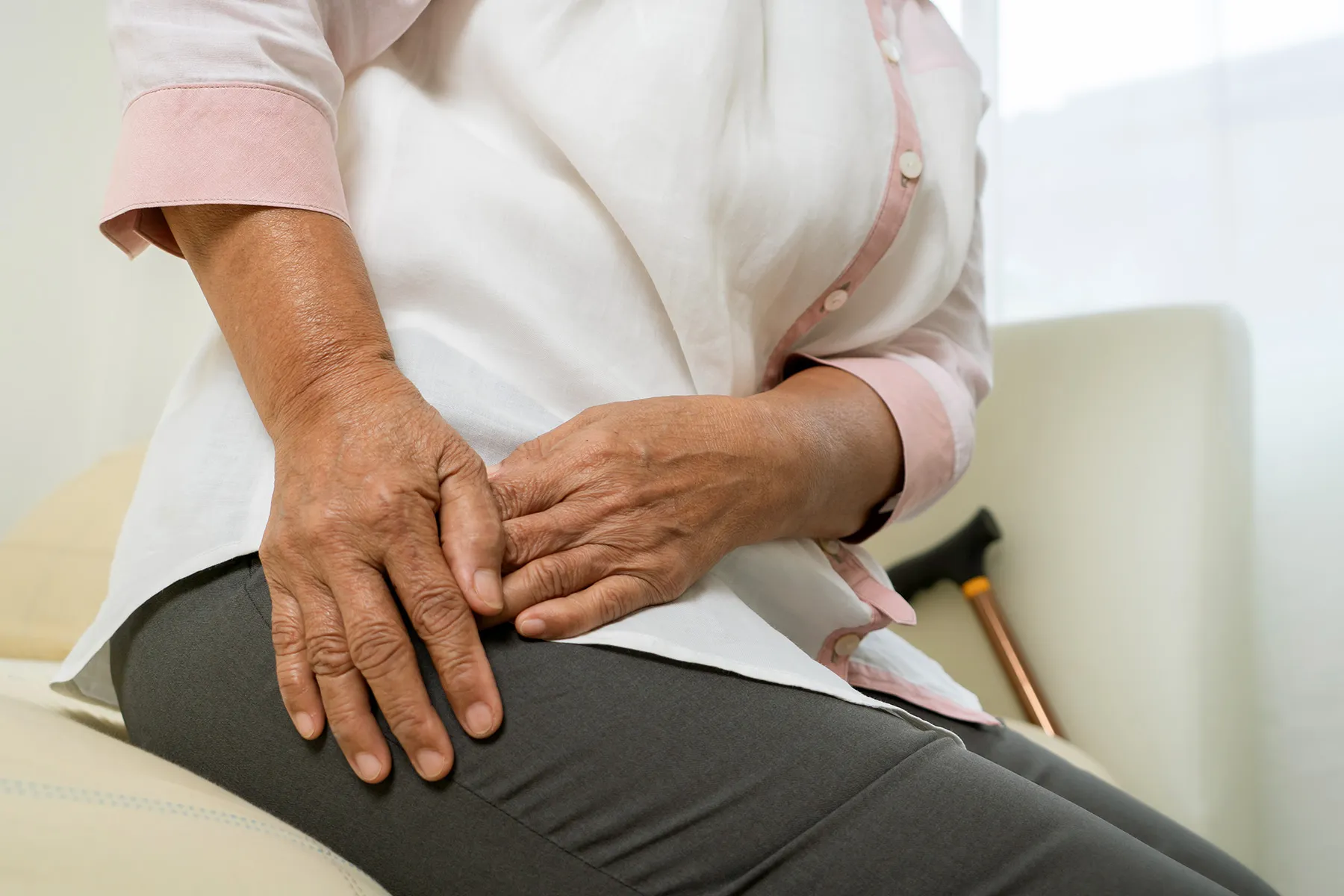
Hip Pain: Causes When Walking or Standing and Effective Physiotherapy Treatments Hip pain can be frustrating and limiting, especially when it occurs during walking or standing. The hips are central to movement and weight-bearing, so any discomfort can impact daily activities and overall quality of life. In this article, we’ll explore common causes of hip …

Hip Pain: Causes When Walking or Standing and Effective Physiotherapy Treatments
Hip pain can be frustrating and limiting, especially when it occurs during walking or standing. The hips are central to movement and weight-bearing, so any discomfort can impact daily activities and overall quality of life.
In this article, we’ll explore common causes of hip pain, why it may appear when you walk or stand, and how physiotherapy in Newcastle can provide targeted, lasting relief.
Understanding Hip Pain
The hip is a ball-and-socket joint designed for strength and mobility. It supports the body’s weight during standing, walking, and running. Because of its constant use and load-bearing role, the hip is vulnerable to injury, overuse, and degenerative changes.
Causes of Hip Pain When Walking or Standing
Several conditions can trigger hip discomfort during movement or prolonged standing:
- Osteoarthritis – Cartilage wear causing stiffness and joint pain
- Bursitis – Inflammation of the fluid-filled sacs cushioning the hip joint
- Tendonitis – Overuse injuries affecting tendons around the hip
- Labral tears – Damage to the cartilage rim that stabilises the joint
- Muscle imbalances – Weakness or tightness in surrounding muscles affecting alignment
- Poor biomechanics – Abnormal walking patterns placing stress on the hip
Symptoms to Watch For
Hip issues can present with a variety of symptoms, such as:
- Sharp or aching pain in the hip or groin
- Stiffness, especially after rest
- Pain that worsens with walking, climbing stairs, or standing
- Reduced range of motion
- Weakness in surrounding muscles
How Physiotherapy Can Help with Hip Pain
Physiotherapy aims to restore mobility, reduce discomfort, and correct the underlying cause of hip pain. At our Newcastle clinic, …our therapists use IASTM to relieve hip stiffness and restore movement…, alongside treatments such as:
- Strengthening exercises for hip and core stability
- Manual therapy to improve joint flexibility
- Stretching routines to release tight muscles
- Postural and gait retraining for better movement patterns
- Balance and stability training to prevent re-injury
Preventing Hip Pain
Prevention is possible with the right approach:
- Stay active with low-impact exercises like swimming or cycling
- Maintain a healthy weight to reduce pressure on the joints
- Warm up before physical activity
- Strengthen glutes, hips, and core muscles regularly
- Wear supportive footwear for daily activities
Local Hip Pain Treatment in Newcastle
If hip pain is affecting your ability to walk, stand, or move comfortably, early physiotherapy intervention can help you recover faster and prevent long-term issues. Our Newcastle physiotherapists create tailored programs to address your specific needs and restore your mobility.
Book your hip assessment today and take the first step toward pain-free movement.
Book a Consultation
It’s easy and free!