Knee Pain: Causes of Clicking, Pain, and How to Fix It with Physiotherapy Knee pain is one of the most common joint problems, affecting people of all ages and activity levels. Whether you’re an athlete, an office worker, or simply staying active, knee discomfort can significantly limit mobility and quality of life. Clicking or popping …

Knee Pain: Causes of Clicking, Pain, and How to Fix It with Physiotherapy
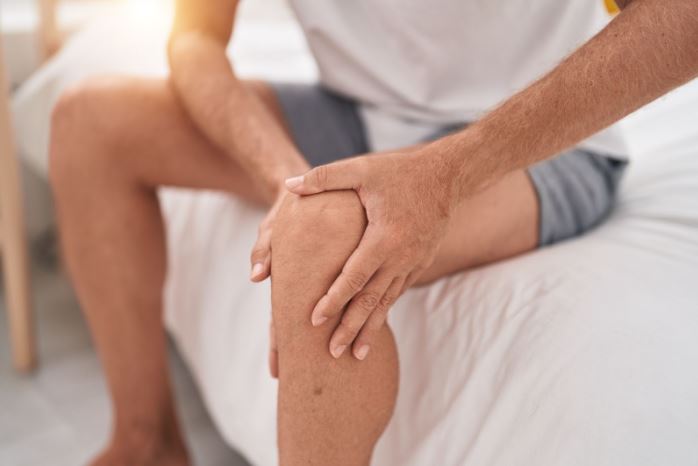
Knee pain is one of the most common joint problems, affecting people of all ages and activity levels. Whether you’re an athlete, an office worker, or simply staying active, knee discomfort can significantly limit mobility and quality of life. Clicking or popping in the knee can be especially concerning, as it often indicates underlying joint or tissue issues.
In this article, we’ll explore the common causes of knee pain and clicking, symptoms to watch for, and how physiotherapy in Newcastle can help restore movement and prevent future problems.
Understanding the Knee Joint
The knee is a complex hinge joint made up of bones, cartilage, ligaments, and muscles. It bears your body’s weight while allowing bending, straightening, and rotational movement. Because it supports so much load and is involved in nearly every movement, it’s highly vulnerable to injury, wear and tear, and overuse.

Common Causes of Knee Pain and Clicking
Knee pain and clicking can result from multiple factors, including:
- Meniscus tears – Damage to the cartilage that cushions the knee joint.
- Ligament injuries – Sprains or tears in the ACL, MCL, or other stabilizing ligaments.
- Patellofemoral pain syndrome – Pain around the kneecap, often due to poor alignment.
- Osteoarthritis – Gradual cartilage wear causing stiffness and pain.
- Tendonitis – Inflammation of tendons due to overuse or repetitive stress.
- Poor biomechanics – Imbalanced movement patterns placing excess stress on the knee.
Clicking may be harmless in some cases, but when it’s accompanied by pain, swelling, or instability, it’s a sign that professional assessment is needed.
Symptoms of Knee Problems
Knee issues can present with:
- Sharp or aching pain during movement
- Clicking, popping, or grinding sounds
- Swelling and stiffness
- Weakness or instability when standing or walking
- Difficulty bending or straightening the knee
How Physiotherapy Can Help with Knee Pain
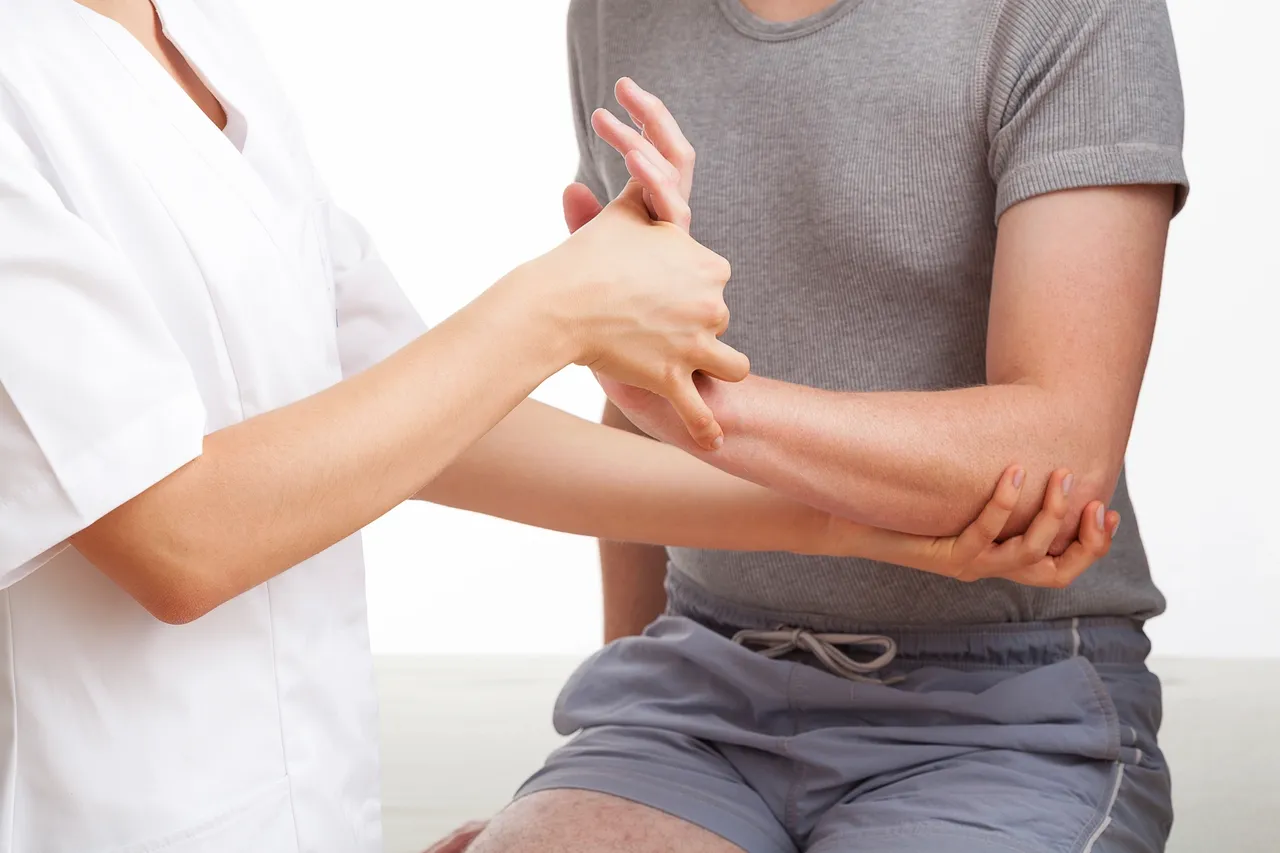
Physiotherapy focuses on identifying the root cause of knee discomfort and correcting it through targeted interventions. At our Newcastle clinic, IASTM therapy can improve joint tracking and reduce knee discomfort… alongside other proven techniques such as:
- Strengthening exercises for quadriceps, hamstrings, and hip muscles
- Manual therapy to improve joint mobility
- Postural and gait correction to address biomechanical issues
- Taping techniques for support and pain reduction
- Balance and proprioception training to prevent re-injury
Preventing Future Knee Pain
Prevention strategies include:
- Maintaining a healthy weight to reduce joint stress
- Wearing supportive footwear
- Avoiding sudden increases in training intensity
- Strengthening leg muscles to support the knee
- Stretching regularly to maintain flexibility
Local Knee Pain Treatment in Newcastle
If you’re dealing with knee pain or clicking, physiotherapy can help restore your mobility and confidence. Our team in Newcastle uses personalised treatment plans to target the cause of your pain and help you move without discomfort.
Book your session today and start your journey toward healthier, pain-free knees.